

The Business Model Canvas is very popular, but it fails to account for this one key aspect of a startup: making sure all blocks align
For that purpose, you should use the Business Model Toolkit by the Board of Innovation
If you use it right, you can actually find what to focus on
The problem: limitations of the BMC
You probably know the Business Model Canvas (BMC). The canvas is likely the most used startup framework in the world. I don’t use it in my workshops. Why?
The value proposition building block is confusing to most people
Nobody intuitively understands what it is.
It overcomplicates the early stage: it maps a future business model, which is different from what most startups need.
Therefore, I prefer the Lean Canvas because it focuses more on the key challenges of a startups
And highlights the problem and solution as distinct building blocks
Most important: It doesn’t show how things are connected. It suggests that coming up with 9 answers is designing your startup.
My research shows otherwise
Solution: The Business Model Toolkit
If you want to focus on how your building blocks connect, be sure to check out The Business Model Toolkit by Board of Innovation.
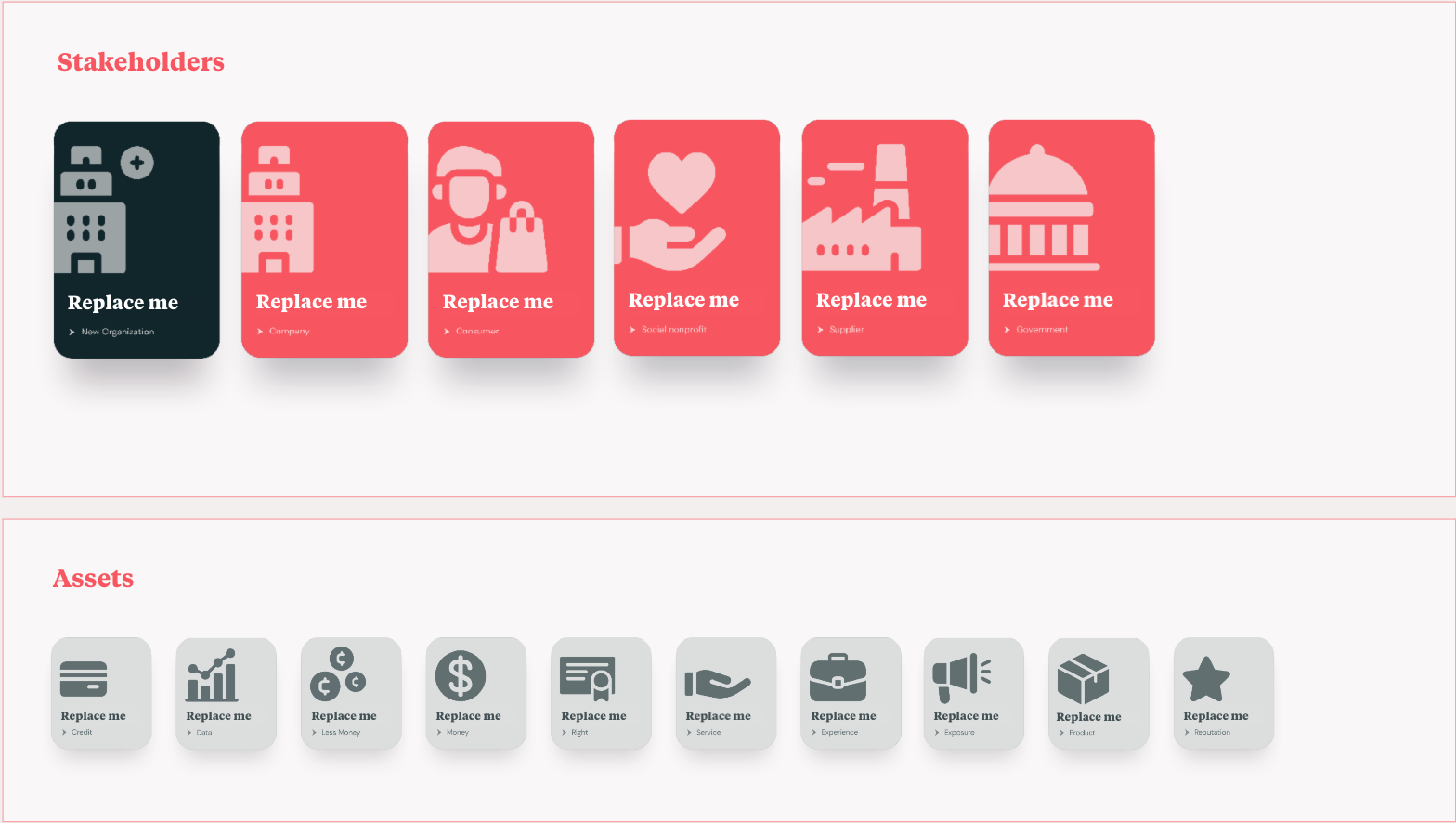
It gives you a set of cards to connect and visualise your business model. There’s a Miro-template ready to use!
Swapfiets bike lease example
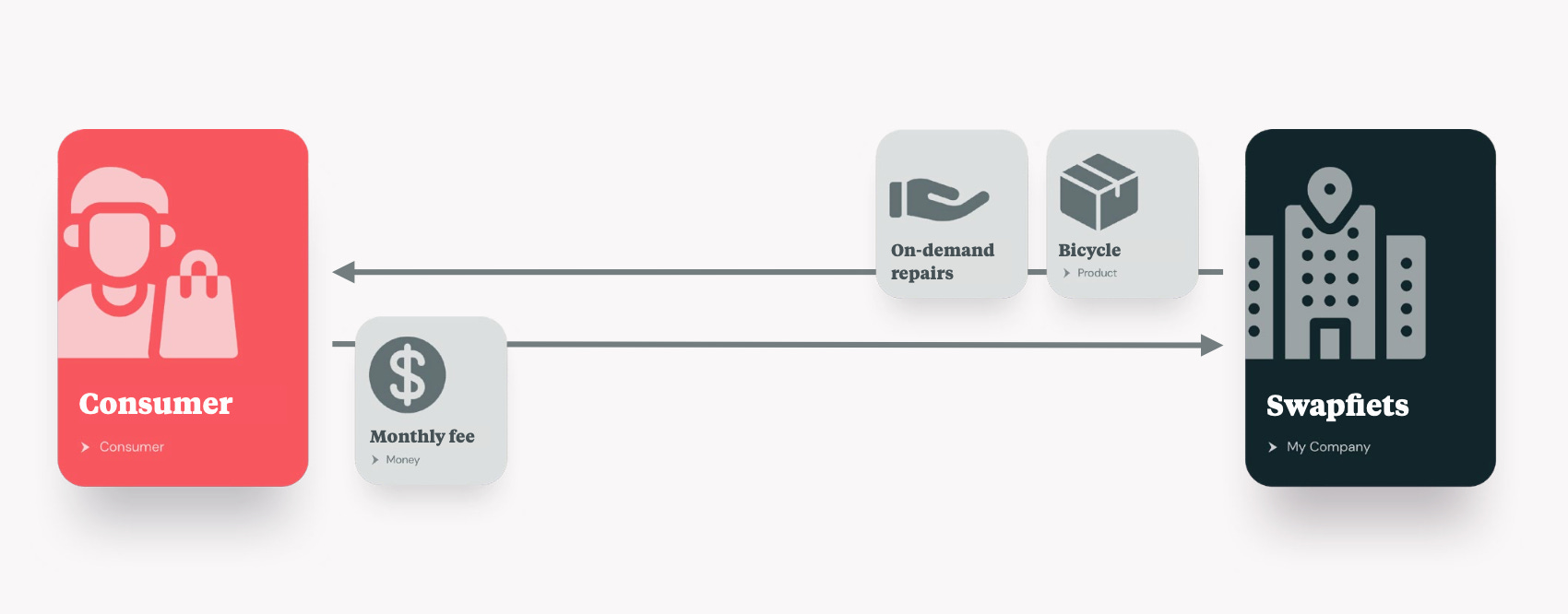
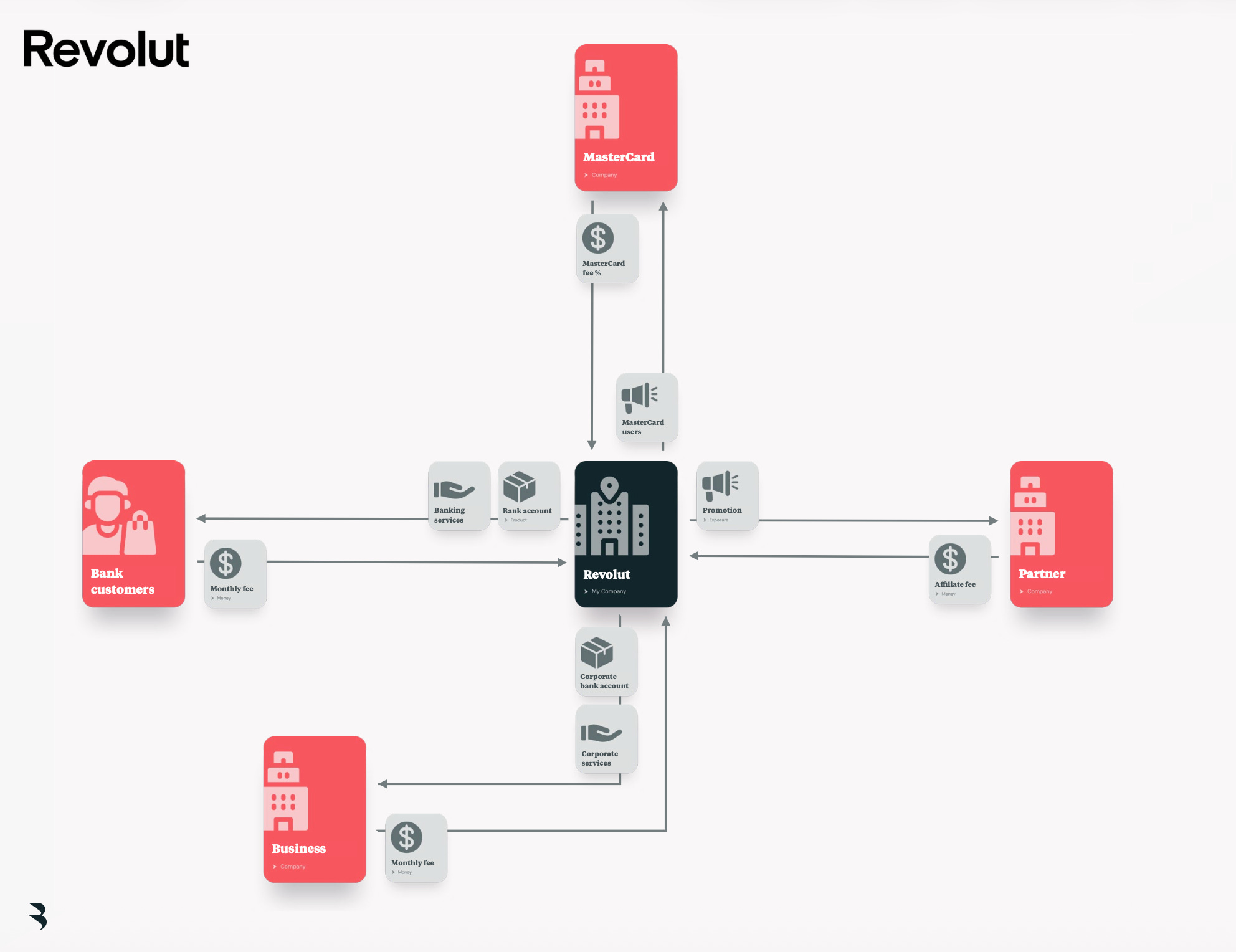
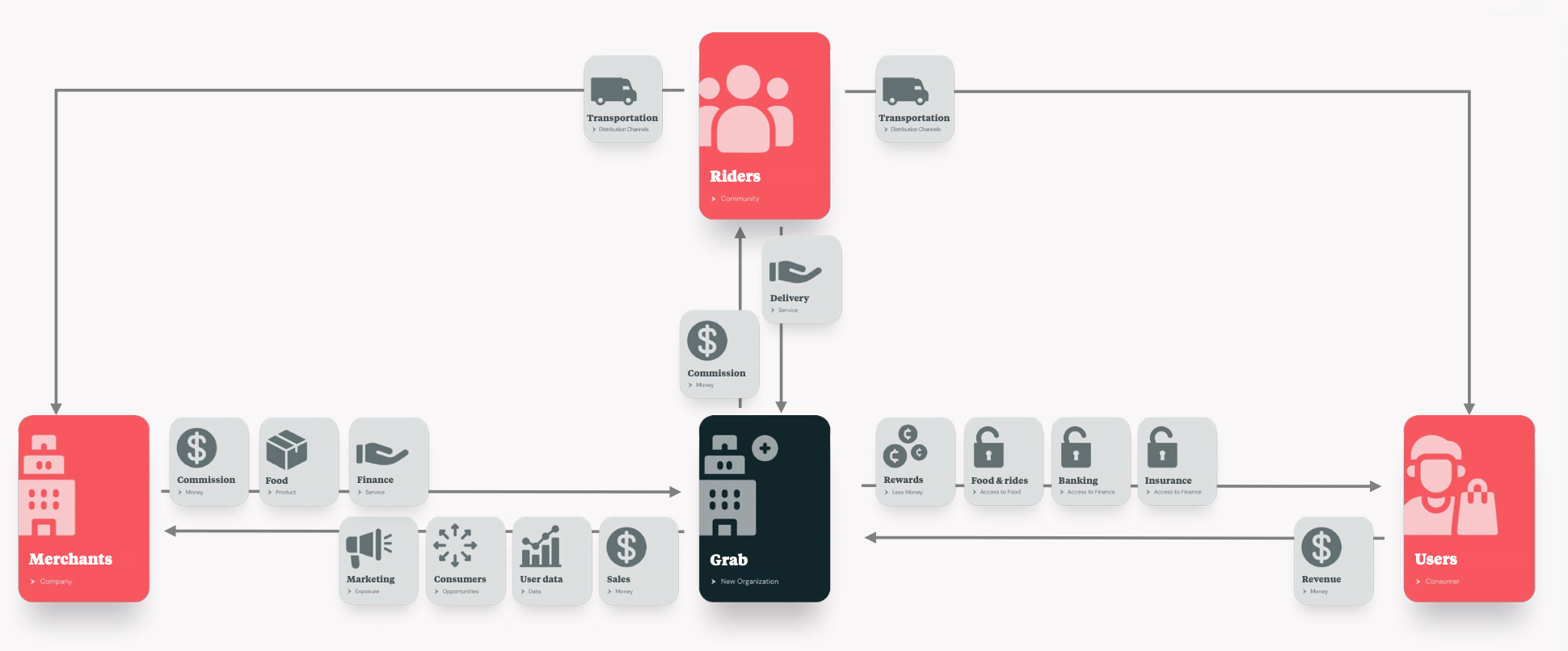
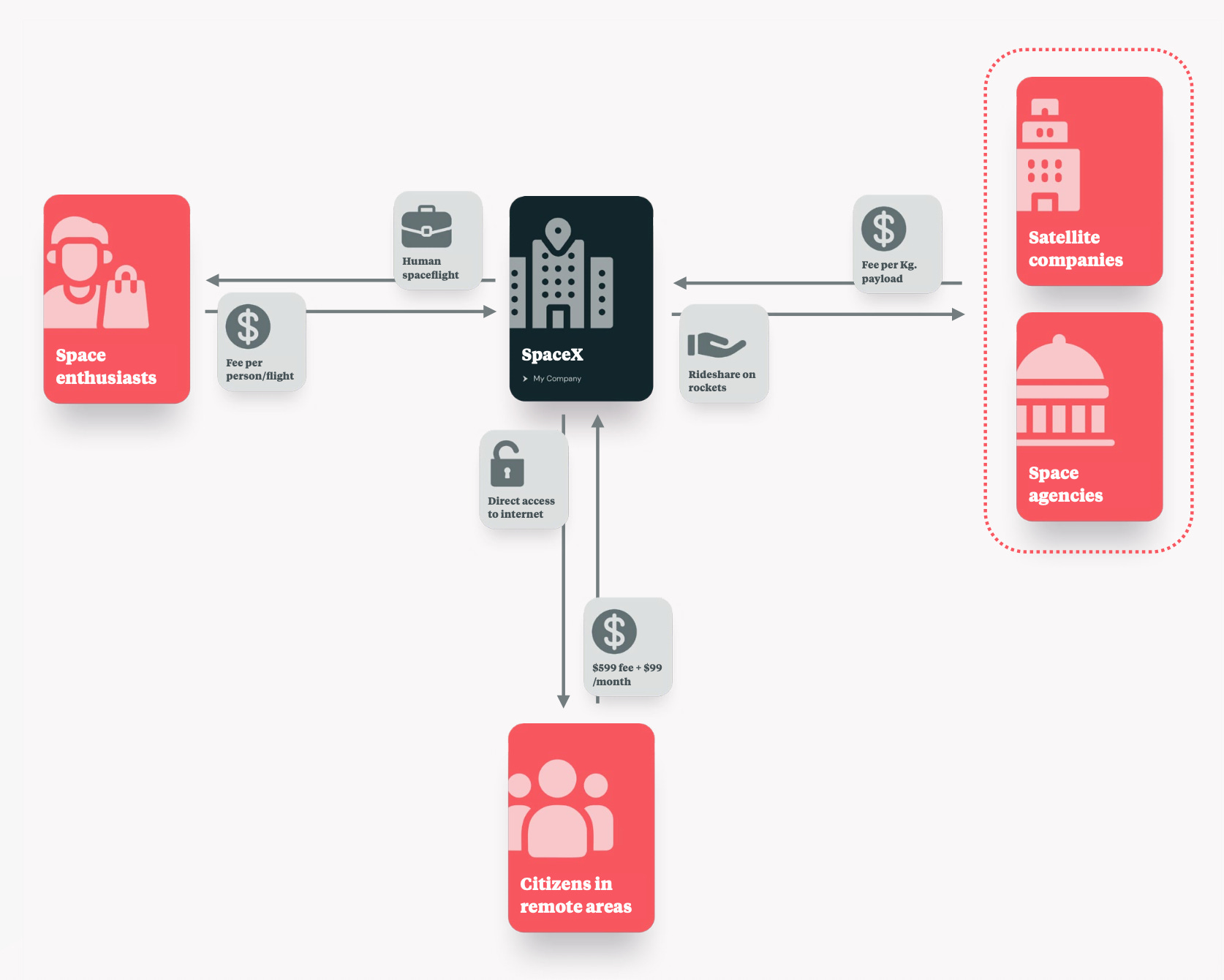
The Toolkit allows you to simply visualise the exchange of values between parties, as per the above Swapfiets example: A monthly fee gets consumers a bicycle and on-demand repairs. It’s a fairly simple business model.
Whoop example with multiple stakeholders
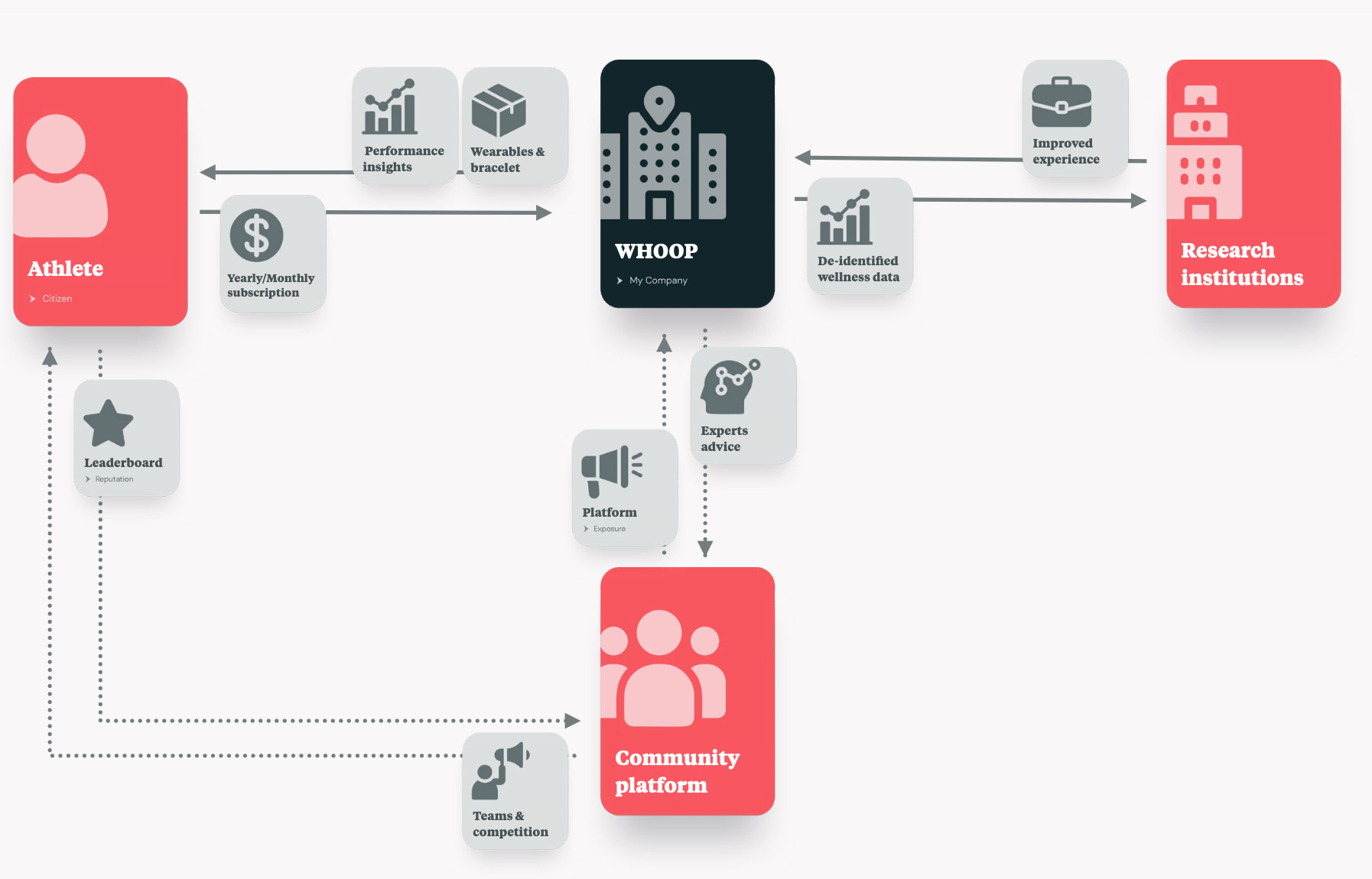
Whoop’s business model below is little more advanced as you can see. Making a business model visual like this is a great way to align your team on what the hell you are doing.
More examples:
There’s a PDF you can download with 50 examples over here. You just need to leave your email. Some examples here:
🔥Premium Guide: How to get more focus in a startup
Find your Minimum Viable Startup in five steps
